





































































































































-800x533w.jpg "Hublot - Big Bang Ferrari Titanium 45.5mm Carbon Fiber TI/RU Blk/Num Skeleton Dial HBBF A1241")
-800x533w.jpg "Hublot - Big Bang Ferrari Titanium 45.5mm Carbon Fiber TI/RU Blk/Num Skeleton Dial HBBF A1241")
-800x533w.jpg "Hublot - Big Bang Ferrari Titanium 45.5mm Carbon Fiber TI/RU Blk/Num Skeleton Dial HBBF A1241")
-800x533w.jpg "Hublot - Big Bang Ferrari Titanium 45.5mm Carbon Fiber TI/RU Blk/Num Skeleton Dial HBBF A1241")
-800x533w.jpg "Hublot - Big Bang Ferrari Titanium 45.5mm Carbon Fiber TI/RU Blk/Num Skeleton Dial HBBF A1241")
-800x533w.jpg "Hublot - Big Bang Ferrari Titanium 45.5mm Carbon Fiber TI/RU Blk/Num Skeleton Dial HBBF A1241")
-800x533w.jpg "Hublot - Big Bang Ferrari Titanium 45.5mm Carbon Fiber TI/RU Blk/Num Skeleton Dial HBBF A1241")
-800x533w.jpg "Hublot - Big Bang Ferrari Titanium 45.5mm Carbon Fiber TI/RU Blk/Num Skeleton Dial HBBF A1241")
-800x533w.jpg "Hublot - Big Bang Ferrari Titanium 45.5mm Carbon Fiber TI/RU Blk/Num Skeleton Dial HBBF A1241")
-800x533w.jpg "Hublot - Big Bang Ferrari Titanium 45.5mm Carbon Fiber TI/RU Blk/Num Skeleton Dial HBBF A1241")
-800x533w.jpg "Hublot - Big Bang Ferrari Titanium 45.5mm Carbon Fiber TI/RU Blk/Num Skeleton Dial HBBF A1241")
-800x533w.jpg "Hublot - Big Bang Ferrari Titanium 45.5mm Carbon Fiber TI/RU Blk/Num Skeleton Dial HBBF A1241")
-800x533w.jpg "Hublot - Big Bang Ferrari Titanium 45.5mm Carbon Fiber TI/RU Blk/Num Skeleton Dial HBBF A1241")
-800x533w.jpg "Hublot - Big Bang Ferrari Titanium 45.5mm Carbon Fiber TI/RU Blk/Num Skeleton Dial HBBF A1241")
-800x533w.jpg "Hublot - Big Bang Ferrari Titanium 45.5mm Carbon Fiber TI/RU Blk/Num Skeleton Dial HBBF A1241")
-800x533w.jpg "Hublot - Big Bang Ferrari Titanium 45.5mm Carbon Fiber TI/RU Blk/Num Skeleton Dial HBBF A1241")
-800x533w.jpg "Hublot - Big Bang Ferrari Titanium 45.5mm Carbon Fiber TI/RU Blk/Num Skeleton Dial HBBF A1241")
-800x533w.jpg "Hublot - Big Bang Ferrari Titanium 45.5mm Carbon Fiber TI/RU Blk/Num Skeleton Dial HBBF A1241")
-800x533w.jpg "Hublot - Big Bang Ferrari Titanium 45.5mm Carbon Fiber TI/RU Blk/Num Skeleton Dial HBBF A1241")
-800x533w.jpg "Hublot - Big Bang Ferrari Titanium 45.5mm Carbon Fiber TI/RU Blk/Num Skeleton Dial HBBF A1241")
-800x533w.jpg "Hublot - Big Bang Ferrari Titanium 45.5mm Carbon Fiber TI/RU Blk/Num Skeleton Dial HBBF A1241")
-800x533w.jpg "Hublot - Big Bang Ferrari Titanium 45.5mm Carbon Fiber TI/RU Blk/Num Skeleton Dial HBBF A1241")
-800x533w.jpg "Hublot - Big Bang Ferrari Titanium 45.5mm Carbon Fiber TI/RU Blk/Num Skeleton Dial HBBF A1241")
-800x533w.jpg "Hublot - Big Bang Ferrari Titanium 45.5mm Carbon Fiber TI/RU Blk/Num Skeleton Dial HBBF A1241")
-800x533w.jpg "Hublot - Big Bang Ferrari Titanium 45.5mm Carbon Fiber TI/RU Blk/Num Skeleton Dial HBBF A1241")
-150x100h.jpg "Hublot - Big Bang Ferrari Titanium 45.5mm Carbon Fiber TI/RU Blk/Num Skeleton Dial HBBF A1241")
-150x100h.jpg "Hublot - Big Bang Ferrari Titanium 45.5mm Carbon Fiber TI/RU Blk/Num Skeleton Dial HBBF A1241")
-150x100h.jpg "Hublot - Big Bang Ferrari Titanium 45.5mm Carbon Fiber TI/RU Blk/Num Skeleton Dial HBBF A1241")
-150x100h.jpg "Hublot - Big Bang Ferrari Titanium 45.5mm Carbon Fiber TI/RU Blk/Num Skeleton Dial HBBF A1241")
-150x100h.jpg "Hublot - Big Bang Ferrari Titanium 45.5mm Carbon Fiber TI/RU Blk/Num Skeleton Dial HBBF A1241")
-150x100h.jpg "Hublot - Big Bang Ferrari Titanium 45.5mm Carbon Fiber TI/RU Blk/Num Skeleton Dial HBBF A1241")
-150x100h.jpg "Hublot - Big Bang Ferrari Titanium 45.5mm Carbon Fiber TI/RU Blk/Num Skeleton Dial HBBF A1241")
-150x100h.jpg "Hublot - Big Bang Ferrari Titanium 45.5mm Carbon Fiber TI/RU Blk/Num Skeleton Dial HBBF A1241")
-150x100h.jpg "Hublot - Big Bang Ferrari Titanium 45.5mm Carbon Fiber TI/RU Blk/Num Skeleton Dial HBBF A1241")
-150x100h.jpg "Hublot - Big Bang Ferrari Titanium 45.5mm Carbon Fiber TI/RU Blk/Num Skeleton Dial HBBF A1241")
-150x100h.jpg "Hublot - Big Bang Ferrari Titanium 45.5mm Carbon Fiber TI/RU Blk/Num Skeleton Dial HBBF A1241")
-150x100h.jpg "Hublot - Big Bang Ferrari Titanium 45.5mm Carbon Fiber TI/RU Blk/Num Skeleton Dial HBBF A1241")
-150x100h.jpg "Hublot - Big Bang Ferrari Titanium 45.5mm Carbon Fiber TI/RU Blk/Num Skeleton Dial HBBF A1241")
-150x100h.jpg "Hublot - Big Bang Ferrari Titanium 45.5mm Carbon Fiber TI/RU Blk/Num Skeleton Dial HBBF A1241")
-150x100h.jpg "Hublot - Big Bang Ferrari Titanium 45.5mm Carbon Fiber TI/RU Blk/Num Skeleton Dial HBBF A1241")
-150x100h.jpg "Hublot - Big Bang Ferrari Titanium 45.5mm Carbon Fiber TI/RU Blk/Num Skeleton Dial HBBF A1241")
-150x100h.jpg "Hublot - Big Bang Ferrari Titanium 45.5mm Carbon Fiber TI/RU Blk/Num Skeleton Dial HBBF A1241")
-150x100h.jpg "Hublot - Big Bang Ferrari Titanium 45.5mm Carbon Fiber TI/RU Blk/Num Skeleton Dial HBBF A1241")
-150x100h.jpg "Hublot - Big Bang Ferrari Titanium 45.5mm Carbon Fiber TI/RU Blk/Num Skeleton Dial HBBF A1241")
-150x100h.jpg "Hublot - Big Bang Ferrari Titanium 45.5mm Carbon Fiber TI/RU Blk/Num Skeleton Dial HBBF A1241")
-150x100h.jpg "Hublot - Big Bang Ferrari Titanium 45.5mm Carbon Fiber TI/RU Blk/Num Skeleton Dial HBBF A1241")
-150x100h.jpg "Hublot - Big Bang Ferrari Titanium 45.5mm Carbon Fiber TI/RU Blk/Num Skeleton Dial HBBF A1241")
-150x100h.jpg "Hublot - Big Bang Ferrari Titanium 45.5mm Carbon Fiber TI/RU Blk/Num Skeleton Dial HBBF A1241")
-150x100h.jpg "Hublot - Big Bang Ferrari Titanium 45.5mm Carbon Fiber TI/RU Blk/Num Skeleton Dial HBBF A1241")
-150x100h.jpg "Hublot - Big Bang Ferrari Titanium 45.5mm Carbon Fiber TI/RU Blk/Num Skeleton Dial HBBF A1241")




Hublot Big Bang Ferrari Collection – A Comprehensive Review
Collaboration History:
In November 2011, Hublot and Ferrari announced a landmark partnership that took effect in 2012. Under this alliance, Hublot became Ferrari’s official timekeeper and watch partner, designing timepieces that incorporated the iconic Prancing Horse logo. At Baselworld 2012, Hublot unveiled the first Ferrari watches – notably the Big Bang Chrono Tourbillon Ferrari, commemorating Ferrari’s 20th anniversary in China – based on its 45mm Big Bang chronograph with Ferrari-inspired design cues.
Over the following decade, the collaboration expanded through the use of new materials and models, including those powered by the UNICO movement, often unveiled at annual fairs or Ferrari events. In December 2020, Hublot and Ferrari quietly ended the partnership, concluding one of the most influential car-watch collaborations that set a benchmark for automotive-inspired horology.
Design Inspired by Ferrari:
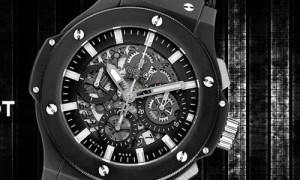
The Big Bang Ferrari watches retain Hublot’s signature 45mm porthole-shaped case with six exposed H-screws but are enriched with distinctive racing details. Many dial elements mimic Ferrari dashboards: openworked skeleton dials resemble engine gauges and even feature design nods to models like the 458. Straps are often crafted from black leather with stitching inspired by Ferrari seats. Later versions added subtle details such as the Prancing Horse emblem at 6 o’clock and sub-dials styled like racing rims. Bezels often resemble Ferrari brake discs, and Hublot even introduced carbon-ceramic discs and red or yellow accents for select editions. Virtually every surface, from dial to strap, reflects Ferrari’s racing DNA while maintaining Hublot’s bold geometry and aesthetics.
Materials and Build Quality:
Hublot’s “Art of Fusion” philosophy is showcased throughout the Big Bang Ferrari collection. Early models were available in lightweight titanium and in Magic Gold, Hublot’s proprietary 18K gold-ceramic alloy known for its exceptional scratch resistance. Carbon fiber and ceramic materials are used extensively, including in bezels and entire cases, with Hublot even developing Ferrari-red ceramic. The brand also pioneered advanced techniques using 3D carbon composites and transparent sapphire crystal, as seen in the Scuderia Ferrari editions and the MP-05 LaFerrari. Strap materials echo Ferrari’s racing heritage, featuring perforated Schedoni leather, Nomex, and Kevlar. The overall construction is robust and sporty, with thick 14–15mm cases, 100m water resistance, and anti-reflective sapphire crystals. Distinctive Hublot elements, such as sandwich case structures and flying lugs, are combined with Ferrari motifs like brake-disc bezels, colored hands, and logo engravings to merge luxury craftsmanship with performance engineering.
Movement and Technical Specifications:
Most Big Bang Ferrari watches are powered by Hublot’s in-house UNICO chronograph movement (Caliber HUB1241 or variants), an automatic integrated chronograph with a column-wheel and flyback function. The UNICO movement beats at 28,800 vph, features 330 components and 38 jewels, and delivers a 72-hour power reserve. Visible through the skeleton dial or exhibition caseback, the movement is often accented with Ferrari’s signature red or yellow tones. Some models, like the Techframe Tourbillon, use manual-wind movements (HUB6311), while the MP-05 LaFerrari features a vertically stacked mainspring architecture. Standard functions include hours, minutes, small seconds, chronograph (30-minute counter), and date, usually at 3 o’clock. Measuring 45×15mm, the Big Bang Ferrari offers the same commanding wrist presence and legibility expected of a high-performance sports chronograph.
Special Editions and Anniversaries:
Hublot marked numerous Ferrari milestones with limited editions:
-
The Big Bang Chrono Tourbillon Ferrari (20 pieces) celebrated Ferrari’s 20th anniversary in China.
-
The 2016 redesign introduced three new variants: 1,000 pieces in titanium, 500 in carbon fiber, and 500 in King Gold.
-
In 2018, Hublot launched Magic Gold editions (250 pieces), featuring updated designs and materials.
-
The Scuderia Ferrari 90th Anniversary editions in 2019 came in 3D Carbon, Sapphire, and Platinum (90 pieces each).
-
The 2020 Ferrari 1000 GP editions celebrated Ferrari’s 1,000th F1 race with two ultra-limited runs of 20 pieces in white gold and carbon ceramic.
Other standout pieces include the “USA 60th Anniversary” edition (60 pieces) and an “All Black” ceramic model (1,000 pieces). Beyond the Big Bang line, Hublot also created the MP-05 LaFerrari (500 pieces) and Techframe Tourbillon (70 pieces across titanium, King Gold, and PEEK carbon).
Pricing and Market Value:
Originally retailing between $25,000 and $40,000 USD, the Big Bang Ferrari models were among Hublot’s most exclusive sports chronographs. Limited editions like the Tourbillon Ferrari reached prices above $250,000. On today’s secondary market, most Unico Ferrari models trade between $13,000 and $25,000, depending on materials and condition. Scarcer versions in Magic Gold or King Gold hold stronger value, while standard titanium and ceramic variants are more accessible.
Position in the Luxury Sports Watch Market:
The Big Bang Ferrari series occupies a distinct position at the crossroads of luxury chronographs and automotive collectibles. With its 45mm case, advanced materials, and unmistakable Ferrari livery, it competes with timepieces from Audemars Piguet’s Royal Oak Offshore and select Richard Mille chronographs. The Ferrari connection lends it inherent prestige and emotional appeal, particularly among motorsport enthusiasts.
Within Hublot’s lineup, these models sit above standard Big Bang editions but below haute complications. They embody the brand’s maximalist philosophy – a fusion of modern horology, technical innovation, and the spirit of Ferrari racing. The Big Bang Ferrari remains one of Hublot’s most defining collaborations, combining precision engineering with the thrill of the supercar world.



-450x300w.jpg "Hublot - Big Bang Unico 44mm Black Magic CER/RU Blk/Ske BBF A1280")
-450x300w.jpg "Hublot - Big Bang Unico 44mm Black Magic CER/RU Blk/Ske BBF A1280")
-450x300w.jpg "Hublot - Big Bang Unico 44mm White CER/RU Blk/Ske BBF A1280")
-450x300w.jpg "Hublot - Big Bang Unico 44mm White CER/RU Blk/Ske BBF A1280")
-450x300w.jpg "Hublot - Big Bang Unico 44mm Diamond RG/RU Dia-Blk/Ske BBF A1280")
-450x300w.jpg "Hublot - Big Bang Unico 44mm Diamond RG/RU Dia-Blk/Ske BBF A1280")
-450x300w.jpg "Hublot - Big Bang Unico 44mm Diamond RG/RU Blk/Ske BBF A1280")
-450x300w.jpg "Hublot - Big Bang Unico 44mm Diamond RG/RU Blk/Ske BBF A1280")
-450x300w.jpg "Hublot - Big Bang Unico 44mm Diamond Bezel RG/RU Blk/Ske BBF A1280")
-450x300w.jpg "Hublot - Big Bang Unico 44mm Diamond Bezel RG/RU Blk/Ske BBF A1280")
-450x300w.jpg "Hublot - Big Bang Unico 44mm Ceramic SS/RU Blk/Ske BBF A1280")
-450x300w.jpg "Hublot - Big Bang Unico 44mm Ceramic SS/RU Blk/Ske BBF A1280")
-450x300w.jpg "Hublot - Big Bang Unico 44mm Rose Gold RG/RU Blk/Ske BBF A1280")
-450x300w.jpg "Hublot - Big Bang Unico 44mm Rose Gold RG/RU Blk/Ske BBF A1280")
-450x300w.jpg "Hublot - Big Bang Unico 44mm Diamond SS/RU Dia-Blk/Ske BBF A1280")
-450x300w.jpg "Hublot - Big Bang Unico 44mm Diamond SS/RU Blk/Ske BBF A1280")
-450x300w.jpg "Hublot - Big Bang Unico 44mm Diamond SS/RU Blk/Ske BBF A1280")
-450x300w.jpg "Hublot - Big Bang Unico 44mm Titanium TI/RU Blk/Ske BBF A1280")
-450x300w.jpg "Hublot - Big Bang Unico 44mm Titanium TI/RU Blk/Ske BBF A1280")
-450x300w.jpg "Hublot - Big Bang Unico 42mm Orange CER/RU Orn/Ske BBF A1280")
-450x300w.jpg "Hublot - Big Bang Unico 42mm Orange CER/RU Orn/Ske BBF A1280")
-450x300w.jpg "Hublot - Big Bang Unico 42mm Blue Ceramic TI/RU Blu/Ske BBF A1280")
-450x300w.jpg "Hublot - Big Bang Unico 42mm Blue Ceramic TI/RU Blu/Ske BBF A1280")
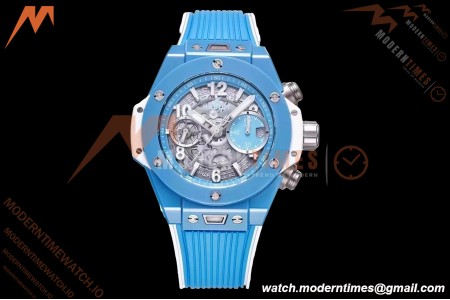
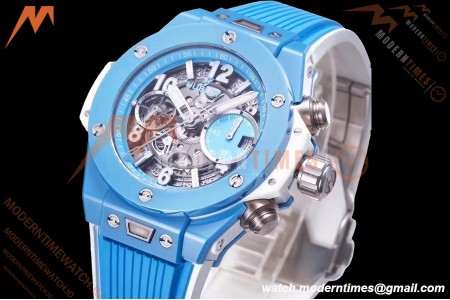
-450x300.png "Hublot - Big Bang Chrono 44mm Cermic RG/RU Blk/Num Carbon Fiber Dial HBF A4100")
-450x300.png "Hublot - Big Bang Chrono 44mm Cermic RG/RU Blk/Num Carbon Fiber Dial HBF A4100")
-450x300w.jpg "Hublot - Big Bang Ferrari Speciale 45.5mm Ceramic TI/RU Blk/Num Skeleton Dial HBBF A1241")
-450x300w.jpg "Hublot - Big Bang Ferrari Speciale 45.5mm Ceramic TI/RU Blk/Num Skeleton Dial HBBF A1241")
-450x300w.jpg "Hublot - Big Bang Ferrari Speciale 45.5mm Ceramic TI/GRY/RU Blk/Num Skeleton Dial HBBF A1241")
-450x300w.jpg "Hublot - Big Bang Ferrari Speciale 45.5mm Ceramic TI/GRY/RU Blk/Num Skeleton Dial HBBF A1241")