



















































































































































-900x500w.jpg "Exploring the Difference Between \"Gold Wrapping\" and \"Gold Plating\"")
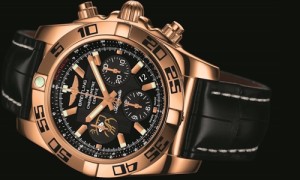
Understanding Gold Wrapping: Gold wrapping involves applying a layer of gold foil or sheet onto the desired surface of the watch. The gold material is carefully wrapped around the case, straps, or dial, creating a distinct and luxurious appearance. This technique allows for customization and flexibility in terms of gold color, thickness, and design. Gold wrapping offers a unique and handcrafted look, enhancing the individuality of the timepiece.
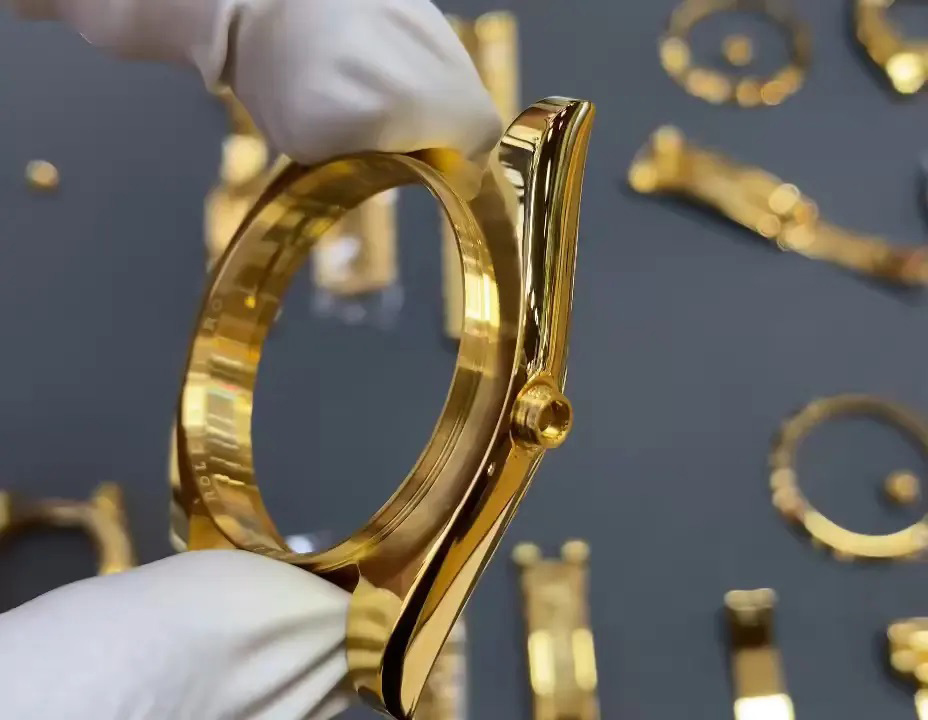
Exploring Gold Plating: Gold plating, on the other hand, involves depositing a thin layer of gold onto the surface of the watch through electroplating. This process utilizes an electric current to bond the gold particles onto the base metal, resulting in a uniform and durable coating. Gold plating offers a consistent and smooth finish, providing a lustrous and refined appearance to the watch. It is commonly used in the watch industry to achieve a luxurious look at a more affordable price point.
.jpg)
Key Differences:
A. Thickness: Gold wrapping typically involves a thicker layer of gold compared to gold plating. The thickness of the gold wrapping layer can range from 20 miles and above, creating a more substantial and visually appealing presence.
B. Customization: Gold wrapping allows for greater customization options. You can choose from different gold colors, such as white gold, yellow gold, or rose gold, and have the flexibility to wrap specific parts of the watch according to your preferences.
C. Handcrafted vs. Uniform Finish: Gold wrapping offers a handcrafted and artisanal appearance, as each piece is individually wrapped by skilled craftsmen. In contrast, gold plating provides a more uniform and consistent finish, thanks to the electroplating process.
D. Durability: While both techniques provide a layer of gold, gold wrapping tends to offer better durability due to its thicker layer. However, proper care and maintenance are essential for preserving the longevity of the gold wrapping or gold plating.
Conclusion: Both gold wrapping and gold plating techniques serve as excellent options for enhancing the visual appeal of watches. Gold wrapping offers customization, uniqueness, and a thicker gold layer, while gold plating provides a consistent and affordable way to achieve a luxurious appearance. Ultimately, the choice between the two techniques depends on personal preference, budget, and desired aesthetics.
Whether you opt for gold wrapping or gold plating, it's important to rely on trusted and reputable professionals who specialize in these processes. Investing in expert craftsmanship ensures that your timepiece retains its elegance and beauty for years to come, elevating your overall watch ownership experience.
.jpeg)
Leave a Comment